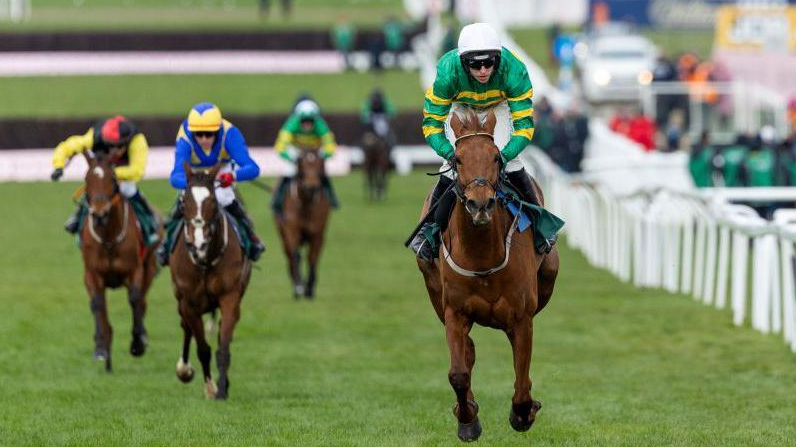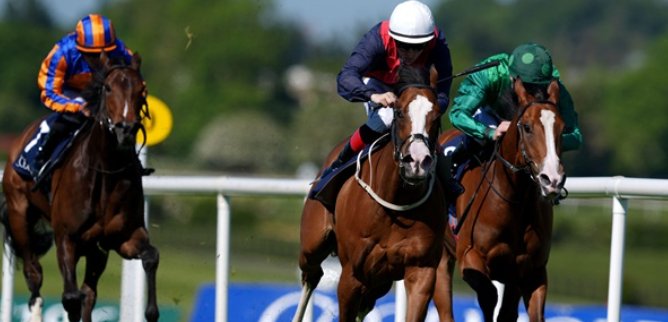
Racehorse art has emerged as a favored niche among collectors, shaped by its historical richness and the artistry of masters like Sir Alfred Munnings. This genre not only captures the elegance of horses but also reflects the cultural significance of equestrianism. As interest surges, particularly among younger demographics, the dynamics of the collector community evolve. What factors contribute to this growing allure, and how will it shape the future of racehorse art?
The Historical Context of Racehorse Art
Racehorse art has long served as a mirror reflecting societal values, trends, and the fervor surrounding equestrian culture.
Its historical significance lies in its ability to document the evolution of horse racing and its deep-rooted cultural impact.
Artists captured not only the majesty of the steeds but also the social dynamics, elevating racehorse imagery as a symbol of freedom, prestige, and artistic expression.
See also: How Race Governors Oversee Major Events
Influential Artists and Their Signature Styles
While various artists have contributed to the genre, a select few have distinctly shaped the portrayal of racehorses through their unique styles and techniques.
Famous equine painters like Sir Alfred Munnings and George Stubbs employed dynamic brushwork and anatomical precision, capturing the spirit of these majestic animals.
Their unique artistic techniques revolutionized equine art, creating compelling images that resonate deeply with collectors and enthusiasts alike.
The Growing Collector Community
An increasing number of art collectors are turning their attention to equine art, drawn by the allure of racehorses and the stories they embody.
This trend reflects diverse collector demographics, as enthusiasts range from seasoned investors to passionate newcomers.
Online platforms have facilitated access to this niche market, fostering a vibrant community that celebrates the intersection of art, sport, and personal expression.
The Future of Racehorse Art in the Market
As the enthusiasm for equine art continues to flourish among collectors, the future of this niche market appears promising and dynamic.
Digital trends, including online galleries and social media engagement, are reshaping accessibility and visibility.
Market predictions indicate a surge in interest, particularly among younger collectors, who seek authentic connections and unique pieces, ensuring racehorse art remains a vibrant and evolving sector within the art world.
Conclusion
In an era where digital distractions reign supreme, racehorse art emerges as a bastion of cultural heritage, a vibrant tapestry woven from the threads of history and passion. As collectors flock to acquire these masterpieces, one might argue that each brushstroke encapsulates the very essence of human emotion, longing, and triumph. Thus, racehorse art not only gallops into the hearts of enthusiasts but also charges boldly into the future, promising to transcend time and redefine aesthetic appreciation.

 By
By